Overview
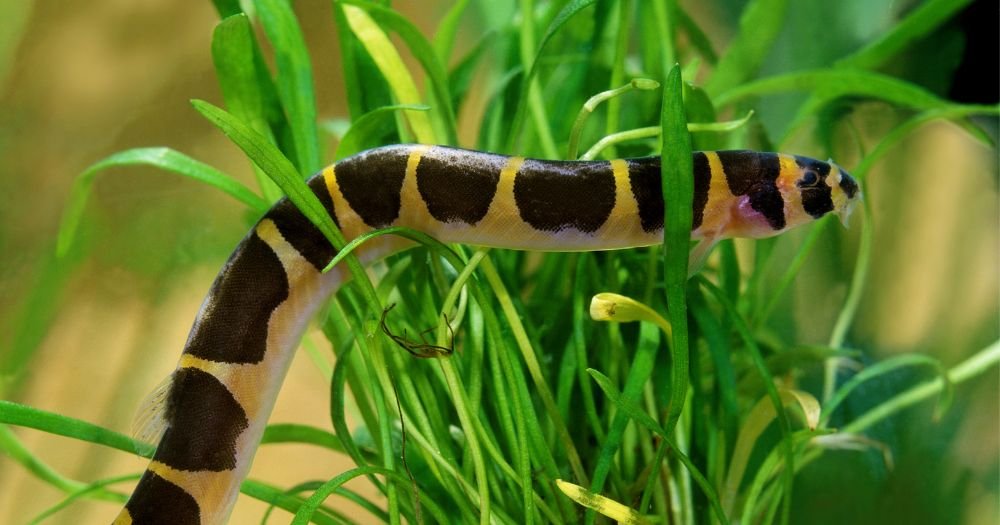
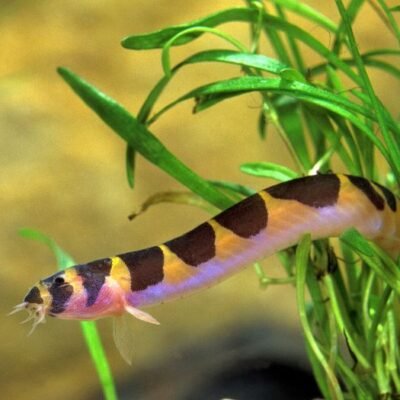
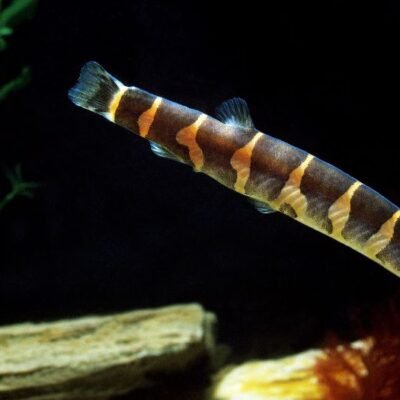
Kuhli loaches (Pangio kuhlii) are slender, eel-like cobitids native to slow-moving, leaf-littered streams and peat swamps across the Malay Peninsula, Sumatra, Java, and Borneo. They are not Sri Lankan natives. In the wild they live in soft, acidic, heavily tannin-stained water under dense leaf litter — a habitat that tells you immediately what they need in a tank. They are crepuscular to nocturnal, spending most daylight hours wedged under wood or buried in substrate. A group of six or more becomes noticeably bolder; a single specimen or a pair will simply disappear for weeks at a time. They are genuinely long-lived for a small fish — well-kept individuals regularly reach ten years.
Water Parameters
| Temperature | 24–28°C |
| pH | 5.5–7.0 |
| Hardness | 1–8 dGH |
| Ammonia / Nitrite | 0 ppm |
| Nitrate | <20 ppm |
| Flow | Gentle to moderate |
Kuhli loaches are sensitive to dissolved waste and show it quickly — sudden lethargy, loss of appetite, and a tendency to surface-gasp are early warning signs. They also react badly to copper-based medications and many commercial antiparasitic treatments; if you need to medicate, remove them to a bare hospital tank first. Newly imported specimens often carry internal parasites, so a quarantine period of at least four weeks is strongly recommended.
Tank Setup
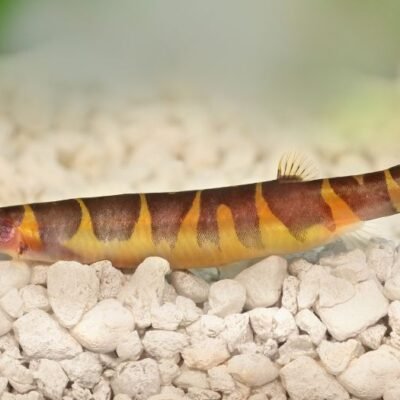
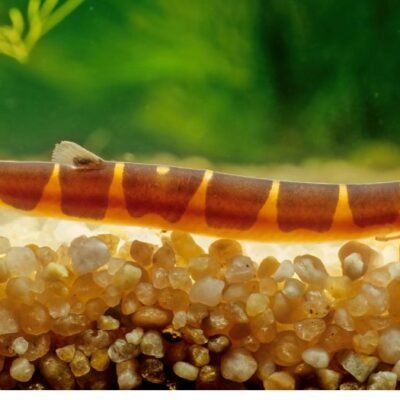
The single most important setup decision is substrate. Use fine-grade sand — 0.2–0.5mm — or a very smooth fine gravel. Kuhlis burrow, and coarse substrate abrades their scaleless, thin skin along their flanks and belly. They also need plenty of hides: PVC pipe sections, coconut shells, ceramic caves, or tightly packed tangles of driftwood roots all work. A deep leaf litter layer of dried Indian almond or catappa leaves serves double duty: it mimics their natural habitat and conditions the water softly. Keep the lighting subdued or provide heavy plant coverage so they feel safe enough to forage during the day. Fit a tight-fitting lid — Kuhlis are expert escape artists and will find any gap.
Diet & Feeding
In practice, Kuhlis are not fussy eaters, but they are slow and deliberate feeders. Sinking foods are essential — wafers, mini sinking pellets, frozen bloodworm, daphnia, and Tubifex all go down well. Repashy gel foods pressed into the substrate work particularly well because the loaches can graze at their own pace. Feed after lights-out when they are naturally active, and do not assume they are eating just because food hits the tank — surface-feeding tank mates will intercept most of it before it reaches the bottom. Vary the diet to keep them in good condition; a purely pellet diet works but never looks as good as one supplemented with frozen or live invertebrates weekly.
Breeding Notes
Captive breeding is rare and genuinely difficult. Kuhlis are egg scatterers that spawn among floating plants near the surface — the bright green eggs are adhesive and stick to the underside of floating vegetation. The main trigger reported by serious breeders is a combination of a significant drop in barometric pressure (mimicking monsoon onset), a partial water change with slightly cooler, very soft water, and raising the water level slowly over several days. Even with all of this in place, success is not guaranteed. Eggs hatch in roughly 24 hours; fry are tiny and require infusoria or commercial fry food for the first week before accepting micro worms and baby brine shrimp. Adult loaches will eat eggs and fry if not separated.
Tank Mates
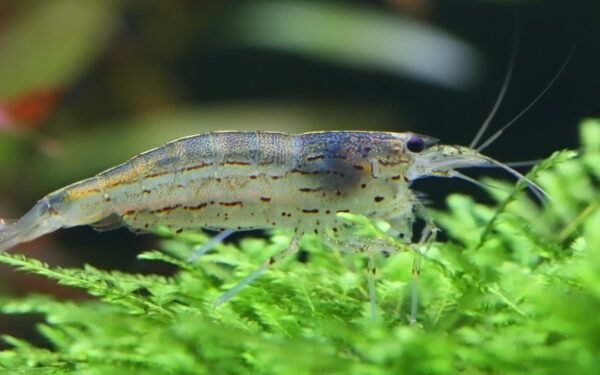
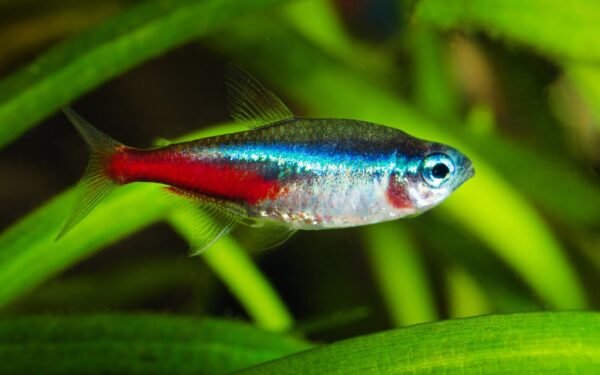
Kuhlis are entirely peaceful and occupy the lowest level of the tank almost exclusively, so they pair well with small, non-aggressive mid- and upper-water species. Ember tetras, chili rasboras, and celestial pearl danios are excellent choices — small enough not to intimidate, active enough to encourage the loaches to emerge. Otocinclus make good bottom-level companions without competing heavily for the same hides. Amano shrimp and nerite snails coexist without issue; avoid dwarf shrimp species smaller than the loach’s mouth if you want guaranteed safety. Never house them with any cichlid that shows even mild aggression, or with large loach species that may bully them away from food.
Compatible Tank Mates
Species that pair well with Kuhli Loach — linked where we've already covered them.
- Ember Tetra Hyphessobrycon amandae
- Chili Rasbora Boraras brigittae
- Celestial Pearl Danio Danio margaritatus
- Otocinclus Otocinclus affinis
- Amano Shrimp Caridina multidentata
- Nerite Snail Neritina natalensis
- Harlequin Rasbora Trigonostigma heteromorpha
Similar Fishes
Other species with comparable care, size, or role in a planted tank.
- Striped Kuhli Loach Pangio semicincta
- Black Kuhli Loach Pangio oblonga
- Zig-Zag Loach Yasuhikotakia sidthimunki
- Dwarf Chain Loach Ambastaia sidthimunki
- Dwarf Loach Yunnanilus cruciatus
- Horseface Loach Acantopsis dialuzona
Compatible Plants
Plants that work well in a tank stocked with Kuhli Loach.
- Java Fern Microsorum pteropus
- Anubias Anubias barteri
- Java Moss Taxiphyllum barbieri
- Cryptocoryne Wendtii Cryptocoryne wendtii
- Bolbitis Bolbitis heudelotii
- Vallisneria Vallisneria spiralis
- Frogbit Limnobium laevigatum
Recommended Hardscape
Stone, wood, and substrate that suit Kuhli Loach's natural habitat and behavior.
- Fine White Sand Fine White Sand
- Spider Wood Spider Wood
- Cholla Wood Cholla Wood
- Catappa Leaves Catappa Leaves
- Mopani Wood Mopani Wood