Overview
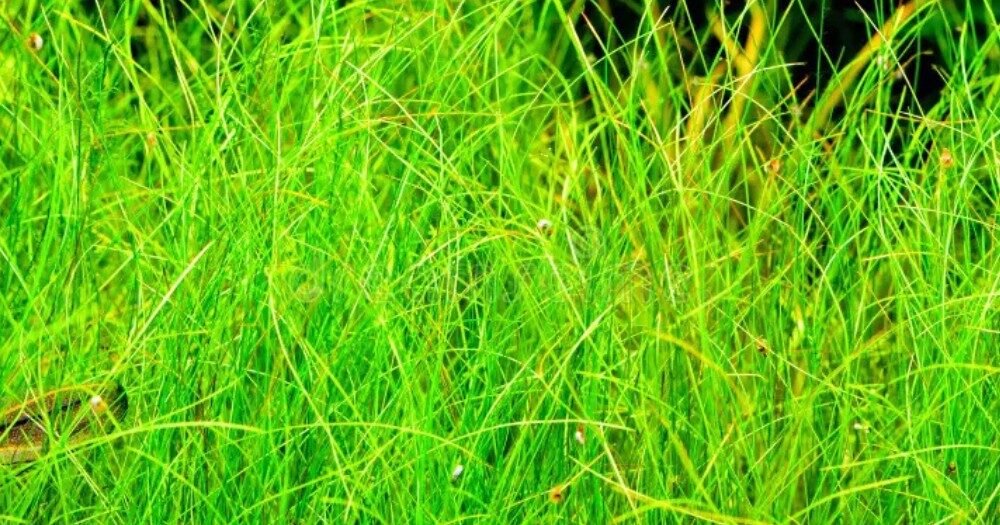
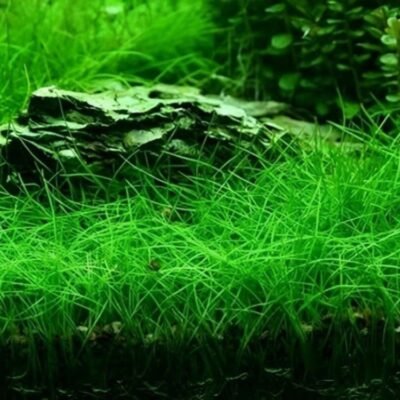
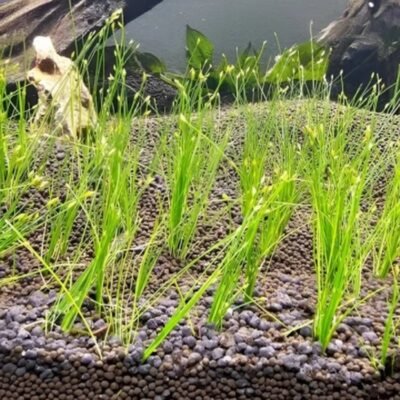
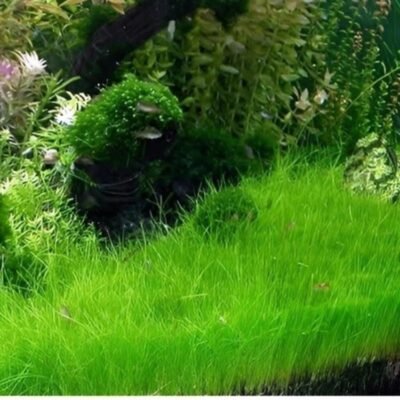
Eleocharis parvula is one of the most widely used foreground plants in aquascaping, and for good reason — when it establishes, nothing else replicates that fine-bladed, natural lawn effect in quite the same way. It’s a true cosmopolitan species, native to temperate and subtropical regions across Europe, the Americas, and parts of Asia, which means it tolerates a wider temperature window than most tropicals. In Sri Lankan tanks running at 26–28°C, growth is perfectly viable but noticeably slower than in a tank kept at 22–24°C. Manage your expectations accordingly. Emersed-grown tissue culture portions often melt back by 30–50% when first submerged — this is normal. Trim away the yellowed blades and the roots will push new submerged growth within two to three weeks given adequate light and nutrients.
Water Parameters
| Temperature | 15–28°C |
| pH | 6.0–7.5 |
| Hardness | 2–10 dGH |
| Ammonia / Nitrite | 0 ppm |
| Nitrate | 5–20 ppm |
| Phosphate | 0.5–2 ppm |
| CO2 | 20–30 ppm (recommended) |
Soft, slightly acidic water produces the densest carpet. In harder water above 8 dGH the plant will still grow, but blade density drops and internode spacing tends to increase, giving a thinner, more open mat. Iron and potassium are the micronutrients most directly tied to blade colour and density — supplement both if you’re using RO or very soft source water.
Tank Placement
Plant exclusively in the foreground. Separate tissue culture plugs into small bunches of five to ten shoots and push each bunch just below the substrate surface roughly 2–3cm apart. A fine-grained substrate — Aqua Soil, Fluval Stratum, or similar capped with fine sand — gives the stolons the easiest path to spread. In coarse gravel the stolons struggle to anchor and the carpet never knits together properly. Once established, a carpet will spread to cover open foreground areas within six to ten weeks under good conditions. Keep the carpet trimmed to 3–5cm to maintain density; if you let it grow tall, lower blades shade out and die, leaving bald patches at the base.
Light & CO2
This is not a low-light plant in practice. You can technically keep it alive under medium light, but the carpet will be sparse, slow, and prone to algae smothering it before it fills in. Budget for at least 50 PAR at substrate level — in a 30cm-depth tank that typically means a quality LED running at full output. CO2 injection is strongly recommended. Without it, plants establish, but spread is roughly half the speed and the risk of a BBA or thread-algae takeover during the slow establishment phase is much higher. If you are running a low-tech setup, pair it with Excel or a similar liquid carbon source and accept a longer runway to a full carpet.
Propagation
Eleocharis parvula spreads by horizontal stolons — there is no pruning-based propagation required. The plant does the work itself once rooted. To propagate intentionally, simply lift a section of established carpet, separate the mat into clumps, and replant elsewhere. Because the stolons are shallow, a carpet lifts cleanly with a flat spatula. Tissue culture is the most reliable way to introduce the plant algae-free; farm-grown bunched plants can harbour snail eggs and algae spores, so quarantine or a dilute bleach dip is worth the extra step if tank hygiene matters to you.
Compatible Fish
The best tankmates for a hairgrass carpet are small, non-digging species that won’t uproot stolons or disturb the fine substrate. Bottom-feeding species that sift substrate — large cichlids, goldfish, most loaches — will wreck a carpet quickly. Stick to fish under 4cm or deliberate micro-fauna.
Compatible Fish
Fish that do well alongside Dwarf Hairgrass — linked where we've already covered them.
- Chili Rasbora Boraras brigittae
- Exclamation Point Rasbora Boraras urophthalmoides
- Ember Tetra Hyphessobrycon amandae
- Pygmy Corydoras Corydoras pygmaeus
- Neon Green Rasbora Microdevario kubotai
- Cherry Shrimp Neocaridina davidi
- Amano Shrimp Caridina multidentata
- Celestial Pearl Danio Danio margaritatus
Similar Plants
Other plants with comparable care, placement, or role in a layout.
- Giant Hairgrass Eleocharis vivipara
- Needle Spikerush Eleocharis acicularis
- Dwarf Four-Leaf Clover Marsilea hirsuta
- Baby Dwarf Tears Hemianthus callitrichoides
- Glossostigma Glossostigma elatinoides
- Micro Sword Lilaeopsis brasiliensis
- Sagittaria Dwarf Sagittaria subulata