Overview
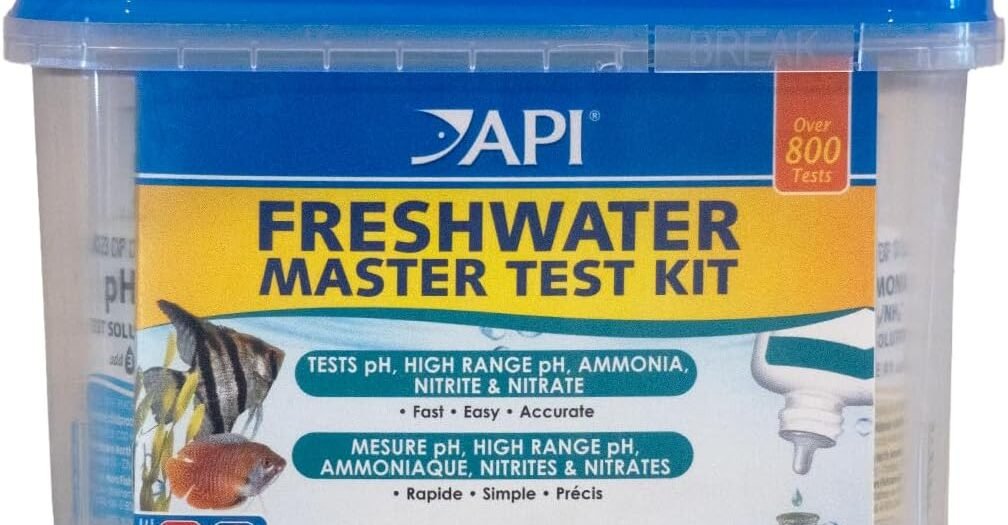
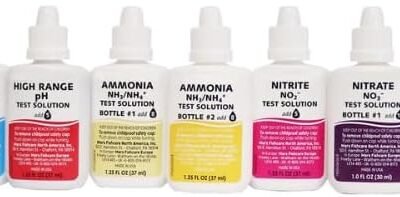
The API Freshwater Master Test Kit has been the default water chemistry tool for hobbyists for years, and for good reason. It covers pH (low and high range), ammonia, nitrite, nitrate, GH, and KH — everything you need to diagnose a cycling crash, trace a CO2 swing, or troubleshoot algae in a 10-gallon. At roughly $25–$35 depending on where you buy, it undercuts digital meters for multi-parameter coverage, though it trades precision for affordability in a few areas.
This exact item — current price and availability change, so this always links to the live listing rather than a fixed number.
Affiliate link — if you buy through it, this site earns a small commission at no extra cost to you.
Real-World Performance
Ammonia, nitrite, and nitrate tests are consistently reliable for the ranges that matter in a planted tank — you’re looking for trends and danger zones, not lab-grade readings, and this kit handles that well. The low-range pH test (6.0–7.6) is genuinely useful for CO2-injected tanks where you’re trying to hold something like 6.8–7.0; color differentiation in that range is decent under good lighting, though the comparison card rewards natural daylight over a tank’s blue-spectrum LEDs.
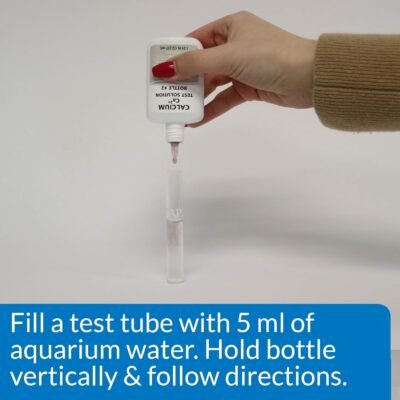
The nitrate test is the weak link most experienced testers will flag. You have to shake Bottle #2 vigorously for a full 30 seconds and let it sit the full 5 minutes, or you’ll routinely read low. Miss that step and a 40 ppm tank looks like 10 ppm. It’s not a flaw once you know about it, but it’s caught out a lot of beginners.
The included vials, while functional, feel slightly flimsy after repeated use. The caps on mine started leaking around the 9-month mark with regular weekly testing — not a dealbreaker, but worth knowing. Replacement vials are cheap if you look around.
Who It’s For
This kit is the right call for anyone running one to three planted tanks and testing weekly. For nano tanks specifically — say, a 5-gallon high-tech scape or a 20-gallon low-tech — it gives you exactly the actionable data you need during cycling, after a water change regimen change, or when chasing a fertilizer imbalance. It’s not a professional-grade tool, but it doesn’t need to be.
If you’re running five or more tanks and testing daily, the per-test time adds up and a digital ammonia or nitrate meter starts making financial and practical sense alongside this kit rather than instead of it. But for most hobbyists, this is the only kit you’ll need for the first few years.
Maintenance Notes
Store reagents upright, away from heat and light — a kitchen cabinet away from windows works fine. The kit includes enough reagents for approximately 800 tests total across all parameters, though that number is misleading since ammonia and nitrate tests burn through supply faster during cycling. Shelf life on the reagents is generally solid up to 3 years if stored properly; older bottles will sometimes show color drift. Label the date you open each bottle if you want to stay ahead of that.
Overall, this is a 4-star kit because it covers the bases at a fair price with proven chemistry — but the nitrate test quirk and the vial durability hold it back from being flawless.